
Koinonia Limb Salvage Mobile Wound Care
TYPES OF WOUNDS WE TREAT
- Diabetic Foot Ulcers
- Leg Ulcers
- Arterial (Ischemic) Ulcers
- Pressure Ulcers
- Surgical wounds
- Wounds from trauma
TREATMENT PLAN
- Initial Wound Evaluation
- We perform weekly debridement of necrotic tissue to promote fast healing and lower the risk of infection
- We offer advanced wound care for chronic and complex wounds
- We offer the best-in-class services and products
- We incorporate minimal invasive surgery to correct deformities causing ulcers and prevent recurrence
Complex wounds require a specialist, and we have over 20 years of wound care experience. A lot of complex wound patients are elderly and cannot leave the house without assistance, because most of them are on oxygen. Therefore, we will bring our mobile wound care clinic to their homes.
OUR GOAL
Our goal is to heal our patients’ wounds in a timely manner using evidenced-based medicine, and to prevent recurrence.
COMPLEX ULCERS
- Ulcers that persist for 3 months without improvement
- Presence of infection
- Comorbidities that prevent healing such as diabetes, PVD (Peripheral Vascular Disease), Venous Stasis
COMPLEX WOUNDS
If they are not treated adequately and in a timely manner, complex wounds can lead to a low quality of life, infection, hospitalization, amputation, or death. Most complex wound patients have difficulties leaving their homes, because most are elderly and require oxygen treatment, making it difficult for them to schedule an appointment in our office. Koinonia Limb Salvage Mobile Wound Care brings hope to these patients, as we can heal their complex wounds at-home.
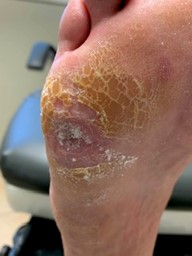
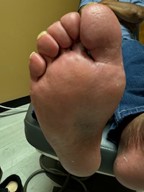
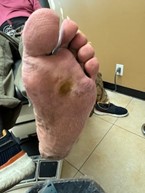
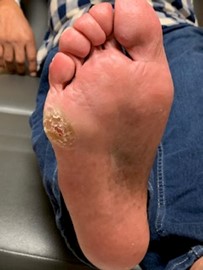
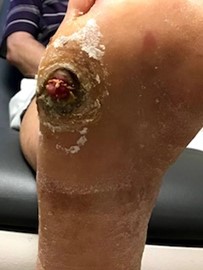
EXAMPLES OF WOUNDS WE TREAT WITH OUR MOBILE WOUND CARE CLINIC:
How long does recovery take?
Expect a few weeks off your foot, then some time in a walking boot. Full recovery usually takes a few months, depending on the extent of the reconstruction and how your ankle responds. Physical therapy helps you get your strength back.
When can I drive again?
It depends on which ankle we treat. If it's your left, you may drive an automatic sooner. If it's your right, wait until you can brake safely and we give you the OK.
What happens if I put off surgery?
A loose ankle tends to keep spraining, causing repeated sprains and further damage inside the joint. Over time, that can lead to arthritis.
How can I get my home ready?
Set up a comfortable place to rest when you can safely reach your phone, medications, water, and other essentials. If possible, sleep on the main floor to avoid stairs while you are using crutches or a walker. Move rugs and cords out of the way to avoid tripping hazards. Consider a shower chair for safer bathing, and a friend to help with errands.