
Discover Regenerative Medicine for Long Beach, CA
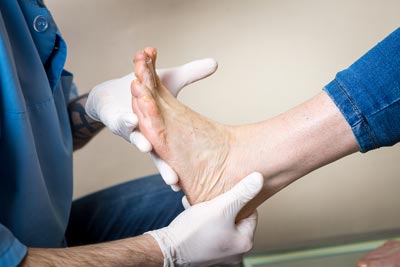
Peptide Therapy
Peptides are short chains of amino acids that signal your body to repair damaged tissue. When applied to chronic foot and ankle conditions, targeted peptide therapy can reduce inflammation and stimulate collagen production in tendons and soft tissue, which addresses the root cause of pain rather than masking it.
Red Light Therapy
Low-level laser or red light therapy penetrates deep into soft tissue, increasing circulation and prompting mitochondrial activity in cells. For foot and ankle injuries, this translates to faster tissue repair and reduced chronic inflammation without needles or downtime.
Biologic Treatment
Biologic therapies, including platelet-rich plasma (PRP), use your body’s own healing factors to rebuild damaged tissue. Concentrated growth proteins are delivered directly to the affected area, jumpstarting a natural repair process that rest alone cannot trigger. This is one of the most promising tools in regenerative medicine for persistent foot and ankle conditions.
Shockwave Therapy
Extracorporeal shockwave therapy (ESWT) delivers acoustic pulses to injured tissue, breaking up scar buildup and stimulating new blood vessel formation. It’s particularly effective for chronic conditions, such as cases where tissue has degenerated over time rather than suffered an acute injury.
Fat Pad Supplementation
The heel’s natural fat pad can thin with age or overuse, reducing the cushion that absorbs impact with every step. Fat pad supplementation through injectable fillers or biologic support restores that protective layer and reduces stress on the surrounding structures of your foot and ankle.
Schedule Your Consultation Today
If foot or ankle pain is limiting your daily activities, see how regenerative medicine may help. Contact Tagaloa-Tulifau Foot & Ankle Center to discuss your treatment options and take the next step toward improved mobility and comfort.
Frequently Asked Questions
How long does recovery take?
Expect a few weeks off your foot, then some time in a walking boot. Full recovery usually takes a few months, depending on the extent of the reconstruction and how your ankle responds. Physical therapy helps you get your strength back.
When can I drive again?
It depends on which ankle we treat. If it's your left, you may drive an automatic sooner. If it's your right, wait until you can brake safely and we give you the OK.
What happens if I put off surgery?
A loose ankle tends to keep spraining, causing repeated sprains and further damage inside the joint. Over time, that can lead to arthritis.
How can I get my home ready?
Set up a comfortable place to rest when you can safely reach your phone, medications, water, and other essentials. If possible, sleep on the main floor to avoid stairs while you are using crutches or a walker. Move rugs and cords out of the way to avoid tripping hazards. Consider a shower chair for safer bathing, and a friend to help with errands.